When it comes to portable saunas, the choice of materials plays a crucial role in not only durability but also overall performance. Typically, portable saunas are made from a variety of materials, each with its own benefits and drawbacks. The most common materials include wood, textile, and metal, and understanding these can help you make an informed decision.
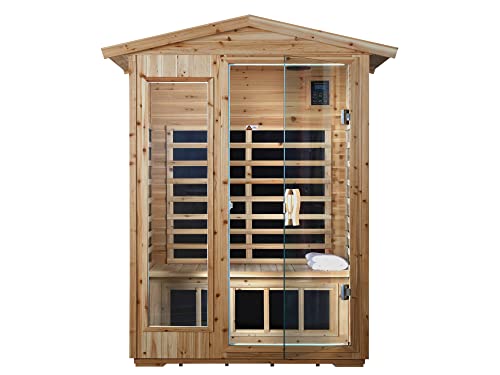
Wooden saunas, especially those made from cedar or hemlock, are popular choices due to their natural insulating properties. Cedar is known for its resistance to moisture and decay, which means it can withstand a range of environmental conditions. Furthermore, wooden saunas often come with that classic sauna aroma, enhancing the relaxation experience. However, they can be heavier and may require more maintenance compared to other materials.
Textile-based portable saunas, on the other hand, offer a lightweight and more easily transportable option. These saunas typically use insulated fabrics to trap heat while keeping the structure lightweight. A key advantage of textile materials is their quick setup and takedown, making them perfect for those who may not have a dedicated space for a sauna. However, they may not retain heat as effectively as wood and can be less durable over time, particularly if exposed to the elements.
Metal saunas bring a different set of attributes to the table. They are often appreciated for their sleek design and robust structure. Many portable saunas made from materials like aluminum can resist rust and are incredibly durable. While metal does an excellent job of retaining heat, it may not provide the same relaxing ambiance as wood or the compact convenience of textile options. Each material has its unique characteristics, so understanding these differences is key to selecting a sauna that suits your lifestyle.
Testing Methods for Durability
When it comes to evaluating the durability of portable saunas, various testing methods come into play to ensure these products can withstand the rigors of regular use. One of the most common methods is stress testing, where the sauna is subjected to extreme conditions, such as high temperatures and humidity levels. This helps determine how well the materials can handle the heat and if they maintain their structural integrity over time.
Another important testing method is impact resistance, which assesses how well a portable sauna can cope with physical shocks and bumps. This is particularly relevant for those who frequently move their saunas from one location to another. In these tests, weights are dropped onto the surface to simulate the wear and tear of real-life scenarios. Observing how the sauna’s materials react helps manufacturers understand whether they are using the right materials for durability.
Water resistance is also a crucial aspect of durability testing. Since portable saunas are often used in humid environments, it's essential to evaluate how well they repel moisture. Tests generally involve exposing the sauna to water sprays or even immersing it to check for leaks or degradation of materials. This helps ensure that the sauna will not only survive typical usage but also retain its effectiveness and appearance over time.
Lastly, endurance testing, which involves prolonged use of the sauna over a certain number of hours or days, can provide valuable insight into its long-term durability. By monitoring factors such as temperature retention, material wear, and overall performance during this extended use, evaluators can provide a clearer picture of how a sauna will hold up as a reliable source of relaxation for years to come.
Factors Affecting Lifespan
When it comes to the durability of portable saunas, several factors can significantly influence their lifespan. Understanding these elements can help buyers make informed choices and ensure they get the most out of their investment. From materials to usage habits, each aspect plays a crucial role in determining how long a sauna will last.
One of the primary factors affecting lifespan is the quality of materials used in construction. High-quality woods, such as cedar or hemlock, are not only aesthetically pleasing but also highly resistant to moisture and decay. On the other hand, cheaper materials may save money initially but can lead to quicker deterioration. It’s essential to look for portable saunas made from durable materials designed to withstand the rigors of heat and humidity.
Another important consideration is the frequency of use. Saunas that are used regularly will wear down more quickly than those that are used occasionally. Additionally, proper maintenance plays a vital role; regular cleaning and inspections can help catch minor issues before they become significant problems. Keeping the sauna dry and well-ventilated will also extend its lifespan, as moisture build-up can lead to mold and structural damage.
Environmental conditions can also impact how long a portable sauna lasts. When a sauna is used outdoors, it’s subjected to various weather elements, including rain, wind, and sunlight. For this reason, having a protective cover or placing the sauna in a sheltered area can help shield it from the elements and significantly enhance its durability.
Maintenance Tips for Longevity
Taking care of your portable sauna can significantly extend its lifespan and ensure you enjoy it for many years. One of the simplest maintenance tips is to keep it clean. After each use, wipe down the interior with a soft cloth to remove sweat and moisture. This will help prevent mold and mildew from developing, which can compromise both the sauna's durability and your health.
Another important aspect of maintenance is storing your sauna properly. When not in use, keep it in a cool, dry place. Avoid exposing it to extreme temperatures or direct sunlight for long periods, as this can damage the materials. If your sauna has any removable parts, make sure they are stored safely to avoid any accidental damage or loss.
Regularly check the electrical components of your portable sauna, if applicable. Make sure the cords and connections are in good condition. If you notice any fraying or wear, replace them immediately to avoid any safety hazards. Keeping the electrical components in excellent shape not only protects the sauna but also ensures a trouble-free experience each time you use it.
Finally, consider investing in a protective cover. A high-quality cover can shield your sauna from dust, dirt, and moisture when it's not in use. This extra layer of protection can go a long way in preserving the material and maintaining its appearance. By following these simple maintenance tips, you can enjoy your portable sauna for years to come, making the most of your investment.